Let's Talk Shingles! (Architectural Vs. Three - Tab)
Architectural vs. 3-Tab Asphalt Shingles: Which Is Better for Your Roof?
Understanding the differences in durability, appearance, and performance for homeowners in Western Massachusetts.
Choosing the Right Asphalt Shingles for Your Home
When it comes to residential roofing, asphalt shingles remain one of the most popular choices for homeowners throughout Easthampton, Northampton, and Western Massachusetts. They're versatile, affordable, and available in a wide range of colors and styles.
But not all asphalt shingles are created equal.
The two main types homeowners encounter are architectural shingles and traditional 3-tab shingles. While both are designed to protect your home from the elements, they differ in construction, appearance, durability, and expected lifespan.
Understanding these differences can help you make a more informed decision when it's time for a roof replacement.
What Are Architectural Asphalt Shingles?
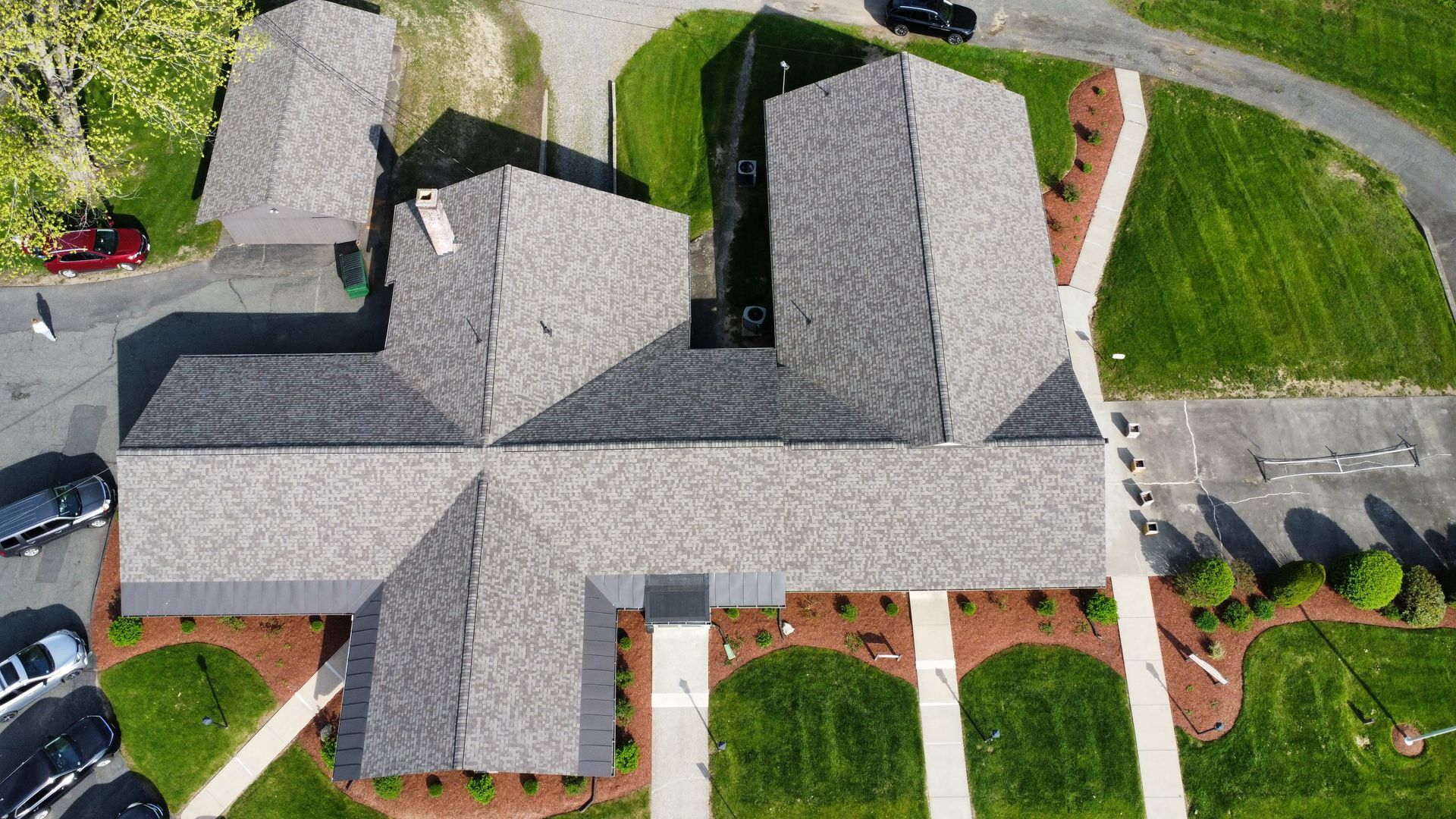
Architectural shingles, also called dimensional or laminated shingles, are manufactured using multiple bonded layers of asphalt-coated fiberglass materials.
This layered construction gives them a thicker, more dimensional appearance than traditional 3-tab shingles. The varying shapes and shadow lines create a textured look that can resemble more expensive roofing materials.
Architectural shingles became increasingly popular in the late 1970s and 1980s and have since become the preferred choice for many residential roofing projects.
Benefits of architectural shingles include:
- Enhanced durability: Their heavier, laminated construction generally provides greater resistance to weather-related wear.
- Improved wind resistance: Many architectural shingle products offer higher wind-resistance ratings than traditional 3-tab options when properly installed.
- Longer expected service life: Quality architectural shingles generally offer better longevity, although actual performance depends on installation, ventilation, weather, and maintenance.
- Better curb appeal: Dimensional profiles and varied color blends add depth and character to a home's exterior.
- More design options: Architectural shingles are available in numerous colors and styles to complement different homes.
For homeowners in Western Massachusetts, where roofs face snow, ice, wind, rain, and seasonal temperature changes, choosing a durable roofing system is especially important.
What Are 3-Tab Asphalt Shingles?
Three-tab shingles are the traditional, flat asphalt shingles commonly found on older residential roofs.
They get their name from the three evenly spaced tabs cut into each shingle strip, creating the appearance of three individual shingles. Unlike architectural shingles, 3-tab shingles have a relatively flat, uniform profile.
For decades, they were the standard residential roofing material because of their simple appearance and lower initial cost. However, their thinner construction generally means they offer less durability and wind resistance than modern architectural shingles. Today, 3-tab shingles are less commonly selected for new residential roof installations, although many older homes still have them. If your home has a 3-tab shingle roof, it doesn't automatically mean the roof needs replacement. Its condition, age, installation quality, and signs of deterioration are much more important factors.
Architectural vs. 3-Tab Shingles: What's the Difference?
The biggest differences between architectural and 3-tab asphalt shingles come down to construction, appearance, durability, and long-term performance. While both types are designed to protect your home from the elements, architectural shingles offer several advantages that have made them the preferred choice for modern residential roofing.
- Appearance and Construction: Architectural shingles feature multiple laminated layers that create a thicker, more dimensional appearance with natural-looking shadow lines. This gives a roof added depth and curb appeal. In comparison, 3-tab shingles have a thinner, single-layer design with evenly spaced tabs that create a flat, uniform pattern. While 3-tab shingles offer a traditional look, architectural shingles provide more texture and a wider variety of color blends and styles.
- Durability and Weather Resistance: Architectural shingles generally provide greater durability and wind resistance because of their heavier, laminated construction. This can be especially beneficial for homeowners in Western Massachusetts, where roofs must withstand heavy snow, freezing temperatures, strong winds, and seasonal weather changes. Three-tab shingles are lighter and typically have lower wind-resistance ratings, making them more vulnerable to damage as they age. Actual performance depends on the specific product, installation quality, and roof conditions.
- Lifespan and Long-Term Value: Three-tab shingles typically cost less upfront, which historically made them a popular budget-friendly roofing option. However, architectural shingles generally offer a longer expected service life and better long-term value. Their enhanced durability, attractive appearance, and improved weather resistance often make the additional initial investment worthwhile. The actual lifespan of either type depends on factors such as ventilation, installation quality, maintenance, and exposure to the elements.
- Which Option Is Better? For most homeowners planning a roof replacement today, architectural shingles are the stronger overall choice. They combine durability, curb appeal, and long-term performance in a roofing system designed to protect your investment. At Peak Performance Roofing, we install CertainTeed Landmark and Landmark PRO architectural shingles, helping homeowners throughout Easthampton, Northampton, and Western Massachusetts choose roofing materials suited to their homes and New England's demanding climate.
Can You Install New Shingles Over an Existing Roof?
Years ago, installing a second layer of asphalt shingles over an existing roof was relatively common, particularly when the original roof used flat 3-tab shingles.This method, sometimes called a roof overlay or roof-over, avoided the labor and disposal costs associated with removing the existing roofing materials.
However, installing new shingles over an existing roof comes with important limitations.
Modern architectural shingles have a thicker, textured profile, which can make layering another roofing system over them difficult. An uneven surface can affect the appearance and installation of the new shingles.
Installing over an existing roof can also conceal damaged decking, deteriorated flashing, or other underlying issues.
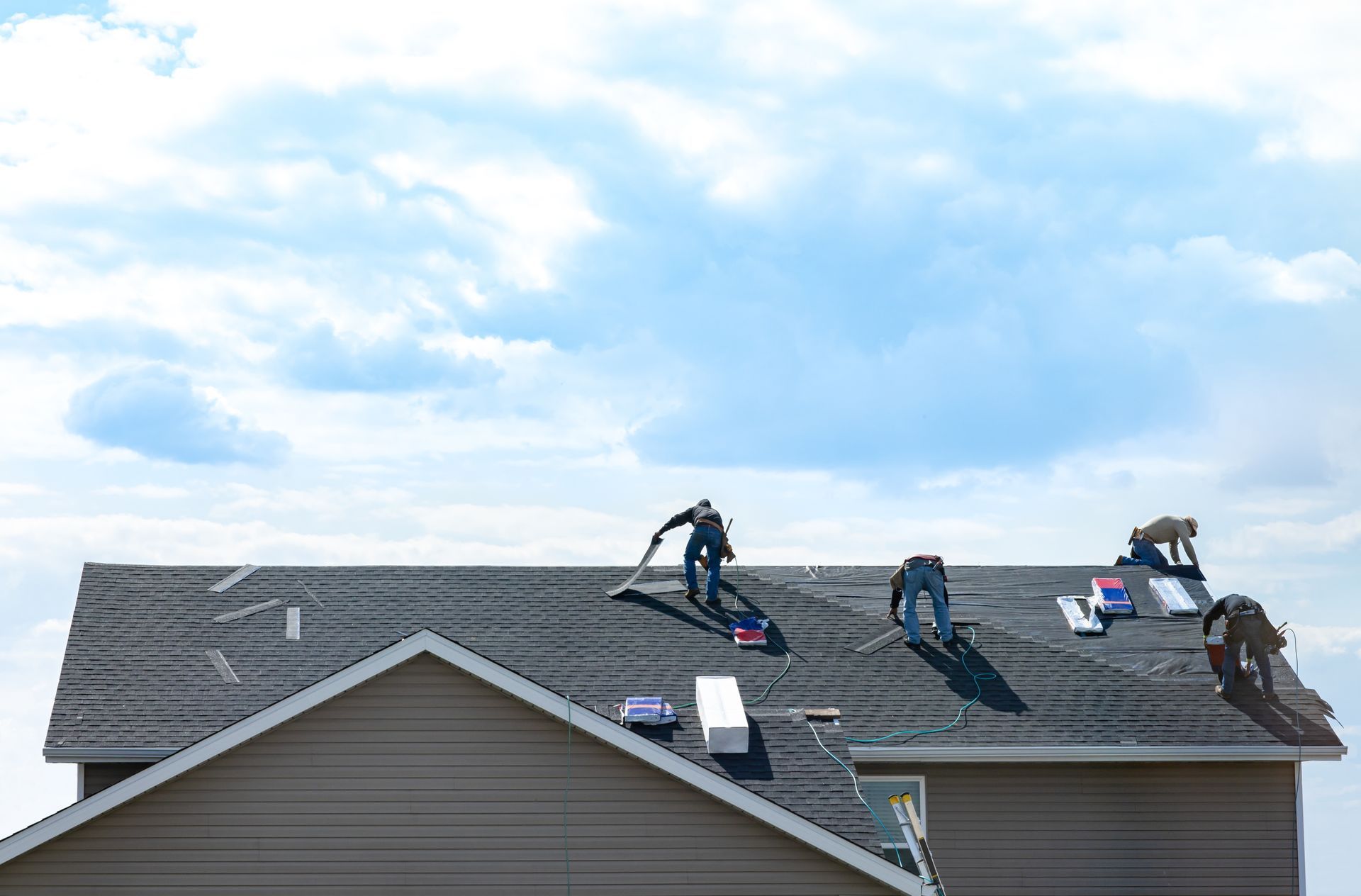
At Peak Performance Roofing, we generally recommend a complete roof tear-off when replacing an aging asphalt shingle roof.
Removing the existing materials allows our team to inspect the roof deck, address underlying problems, and install a complete roofing system on a properly prepared surface.
The appropriate approach depends on the existing roof, local building requirements, and manufacturer installation instructions.
Why We Install CertainTeed Landmark and Landmark PRO Shingles
At Peak Performance Roofing, we install CertainTeed Landmark and Landmark PRO architectural shingles for homeowners looking for quality, durability, and lasting curb appeal.
These products offer the dimensional appearance and performance advantages that have made architectural shingles a preferred choice for modern residential roofing.
- CertainTeed Landmark provides a durable architectural shingle option with a wide selection of attractive colors and a dimensional appearance.
- CertainTeed Landmark PRO is a premium option within the Landmark lineup, offering an upgraded construction and a selection of rich, distinctive color blends.
Both products allow homeowners to choose a roofing style that complements their home while benefiting from a professionally installed architectural shingle system.
We help homeowners evaluate their options based on the condition of their existing roof, their preferred appearance, and their budget.
Thinking about replacing your asphalt shingle roof?
Contact Peak Performance Roofing or call (413) 203-5888 to discuss your roofing project and request an estimate.